

Trauma and Fracture Care
Comprehensive Treatment for Bone and Joint Injuries
Comprehensive Orthopedic Trauma Care for Optimal Healing
Trauma and fractures are among the most common reasons for emergency orthopedic consultations worldwide. Whether caused by road traffic accidents, sports injuries, falls, workplace incidents, or direct impact, bone and joint injuries can significantly affect mobility, independence, and quality of life. Prompt diagnosis and appropriate treatment are crucial to ensure proper healing and prevent long-term complications.
Modern trauma and fracture care has advanced tremendously over the years. With improvements in imaging technology, surgical techniques, implants, and rehabilitation protocols, orthopedic specialists can now treat complex injuries more effectively than ever before. The goal of trauma care is not only to repair broken bones but also to restore function, relieve pain, and help patients return to their normal activities as quickly and safely as possible.
From simple fractures treated with casts to complex injuries requiring advanced surgical fixation, trauma and fracture care plays a critical role in helping patients recover from unexpected injuries and regain their confidence and mobility.
What is Trauma & Fracture Care?
Trauma and fracture care is a specialized branch of orthopedics focused on diagnosing, treating, and rehabilitating injuries affecting bones, joints, muscles, ligaments, tendons, and surrounding soft tissues.
A fracture occurs when a bone breaks due to excessive force or trauma. Fractures can range from small cracks in the bone to severe injuries involving multiple fragments and surrounding tissue damage. Trauma care addresses both the immediate injury and the long-term recovery process.
Orthopedic trauma specialists use a combination of clinical examination, X-rays, CT scans, MRI scans, and advanced surgical techniques to determine the most effective treatment plan for each patient.
The primary goals of fracture care include:
- Restoring bone alignment
- Promoting proper healing
- Relieving pain
- Preventing complications
- Restoring mobility and function
- Enabling a safe return to daily activities
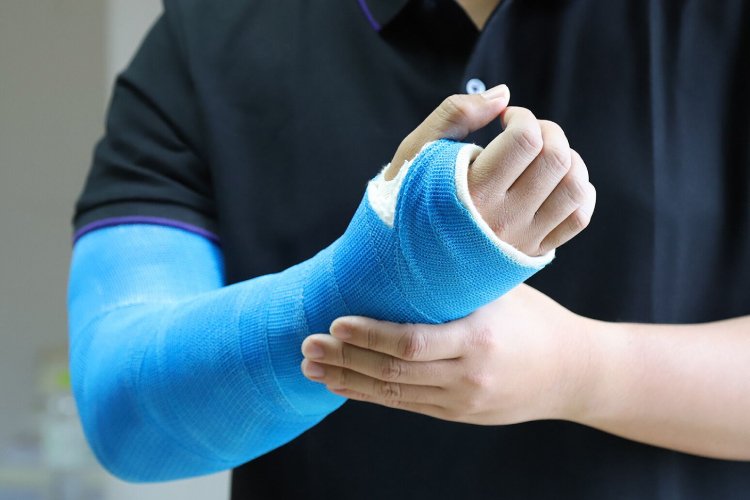
Common Causes of Fractures and Trauma
Fractures can occur in people of all ages and may result from a variety of situations.
- Road Traffic Accidents: High-impact collisions often result in complex fractures involving multiple bones and joints. These injuries frequently require urgent orthopedic intervention.
- Falls: Falls are one of the leading causes of fractures, particularly among elderly individuals. Hip fractures, wrist fractures, and shoulder injuries are especially common after falls.
- Sports Injuries: Athletes and active individuals may experience fractures, ligament injuries, dislocations, and joint trauma during sports and recreational activities.
- Workplace Accidents: Construction sites, factories, and industrial settings may expose workers to injuries involving heavy machinery, falls, and direct impact trauma.
- Osteoporosis: Weak and fragile bones caused by osteoporosis can fracture even after minor falls or low-impact injuries.
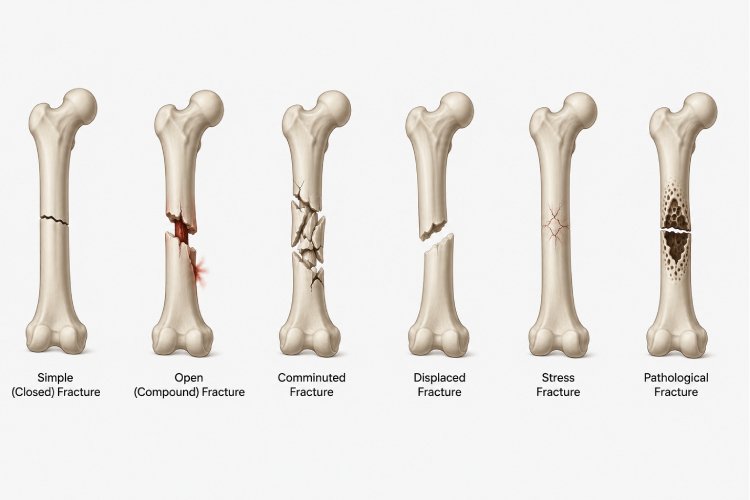
Types of Fractures
Fractures can vary significantly depending on the mechanism of injury and the extent of bone damage.
- Simple (Closed) Fracture: In a closed fracture, the bone breaks but does not penetrate the skin. These fractures are generally less complicated and may sometimes be treated without surgery.
- Open (Compound) Fracture: An open fracture occurs when the broken bone pierces the skin. These injuries require urgent medical attention because of the increased risk of infection and soft tissue damage.
- Comminuted Fracture: A comminuted fracture involves the bone breaking into multiple fragments. These injuries often result from high-energy trauma and may require surgical fixation.
- Displaced Fracture: In a displaced fracture, the broken bone segments move out of their normal alignment and often require reduction or surgical correction.
- Stress Fracture: Stress fractures are small cracks in the bone caused by repetitive stress or overuse. They are commonly seen in athletes and military personnel.
- Pathological Fracture: These fractures occur in bones weakened by disease, infection, tumors, or osteoporosis.
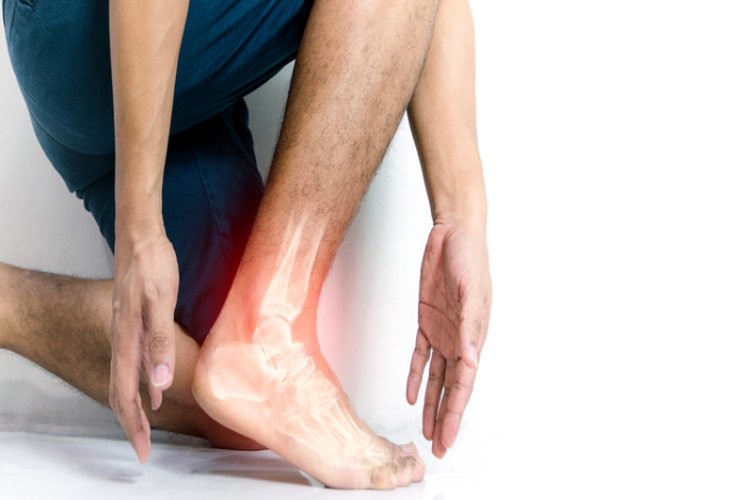
Symptoms of a Fracture
The symptoms of a fracture may vary depending on the severity and location of the injury.
Common signs include:
- Sudden pain following an injury
- Swelling around the affected area
- Bruising or discoloration
- Visible deformity
- Difficulty moving the injured limb
- Inability to bear weight
- Tenderness on touch
- Grinding sensation during movement
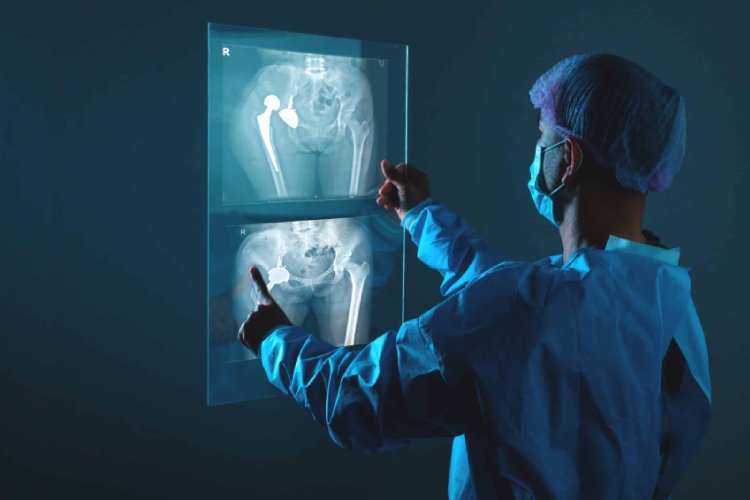
Diagnosis of Fractures
Accurate diagnosis is the foundation of successful fracture management.
- Clinical Examination: The orthopedic specialist assesses pain, swelling, deformity, range of motion, and neurovascular status.
- X-Rays: X-rays remain the most commonly used imaging tool for diagnosing fractures and evaluating bone alignment.
- CT Scan: CT scans provide detailed images of complex fractures, especially those involving joints and multiple bone fragments.
- MRI Scan: MRI may be recommended when soft tissue injuries, ligament damage, or occult fractures are suspected.
Based on these findings, a personalized treatment plan is developed.
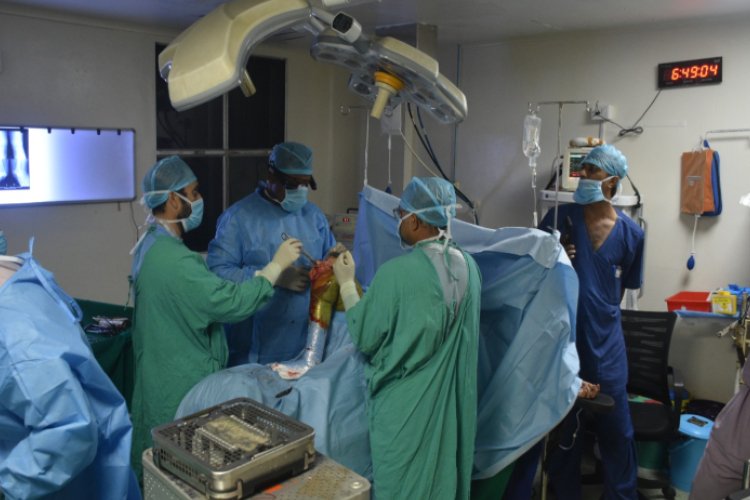
Surgical Fracture Treatment
Certain fractures require surgery to achieve proper alignment and stability.
- Internal Fixation: Internal fixation involves using plates, screws, rods, or nails to stabilize broken bones from within the body.
- These implants hold the fracture securely while the bone heals.
- Intramedullary Nailing: A metal rod is inserted into the center of long bones such as the femur or tibia to provide strong internal support.
- Plate and Screw Fixation: Specialized plates and screws are commonly used for fractures involving the arms, legs, and joints.
- External Fixation: External fixation uses a frame placed outside the body to stabilize fractures when severe soft tissue injury is present.
- Minimally Invasive Techniques: Modern orthopedic trauma surgery increasingly utilizes minimally invasive approaches that reduce tissue damage and support faster recovery.
The choice of procedure depends on the fracture pattern, bone involved, patient age, and overall health.
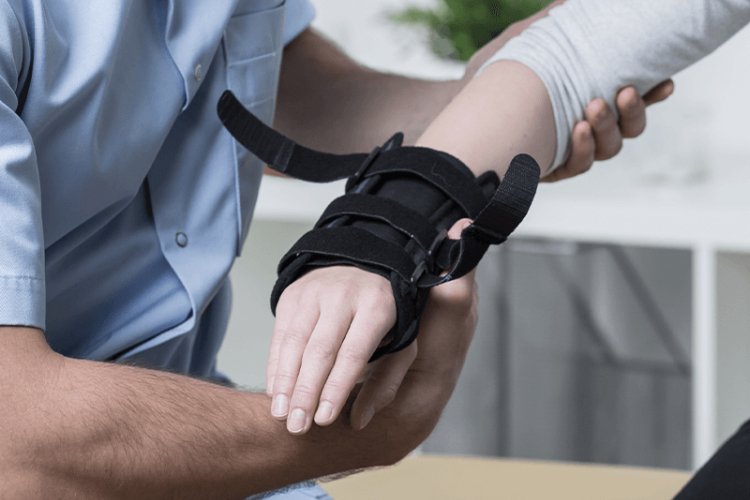
Non-Surgical Fracture Treatment
Not all fractures require surgery. Many injuries can heal successfully with conservative management.
- Casting and Splinting: Casts and splints help immobilize the injured bone, allowing it to heal in the correct position.
- Fracture Reduction: If the bone is displaced, the orthopedic surgeon may perform a closed reduction to realign the fracture before applying a cast.
- Pain Management: Medications help control pain and inflammation during the healing process.
- Physiotherapy: Once the fracture begins to heal, rehabilitation exercises help restore strength, flexibility, and mobility.
Many uncomplicated fractures heal successfully with non-surgical treatment when managed appropriately.
Why Choose an Orthopedic Doctor for Trauma Care?
Traumatic injuries involving bones, joints, muscles, ligaments, and tendons require specialized care to ensure proper healing and recovery. An orthopedic doctor is trained to diagnose and treat fractures, dislocations, sports injuries, and other musculoskeletal trauma using advanced techniques and evidence-based treatment approaches.
From emergency fracture management to complex trauma surgeries and rehabilitation, orthopedic specialists focus on restoring function, reducing pain, and helping patients return to their daily activities as quickly and safely as possible. Early orthopedic intervention can significantly improve recovery outcomes and minimize long-term complications.
Doctor's Gallery
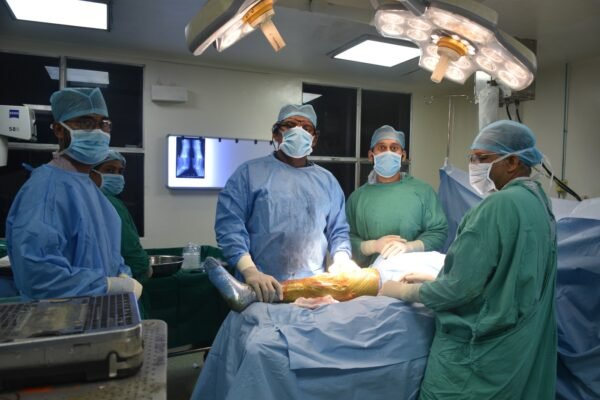
Knee Replacement Surgery

Doctor on Desk
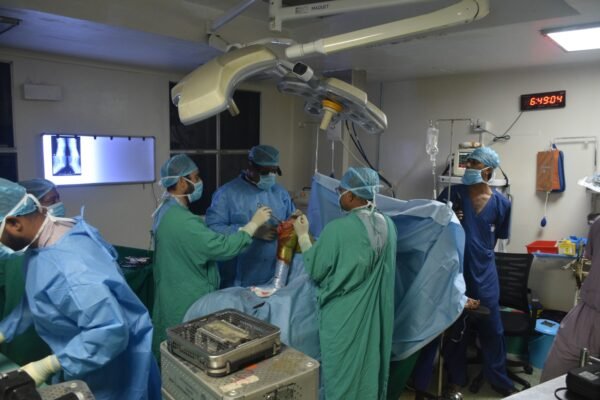
Operation Theater

Consultation
Your Journey to a Pain-Free Life Starts Here
Don’t let pain hold you back. Consult with an orthopedic specialist today and take the first step toward better movement, greater comfort, and a healthier future.